
Focus methods library
Compare the main visual focus methods
Eight method families appear on this site, and they do different jobs. Some are rest habits you can adopt today. Some are skills that take weeks of short practice. One or two are best done with a professional watching your progress. Here they sit side by side so you can see what each one trains and who tends to get the most from it.
Use this page as a map, not a routine. Each method below has its own page with the detail, the caveats, and the order we suggest trying them in. Nothing here replaces an eye exam, and nothing here is a promise about your eyes — it is a description of what the practice asks of you.
The four categories, and why the split matters
Grouping methods is the fastest way to avoid wasted effort. Each group below trains a different thing, and they are not interchangeable even when the exercises look similar.
Convergence drills
Train how your eyes turn inward for close tasks — reading, screens, anything held near the face.
Tracking skills
Train how the eyes follow a moving target, or jump between two fixed points, without losing the place.
Restoration habits
Reduce accumulated strain without building a skill. These are breaks, not exercises, and they suit any schedule.
Attention practice
Train sustained visual focus in a distracting environment — study blocks, open offices, competition.
Mixing categories is the most common mistake we see. Someone with dry, aching eyes adds a convergence drill because it sounds like an eye exercise, gets a headache, and concludes that all of this is nonsense.
Their problem was in the restoration category the whole time. Distance gazing and blink breaks cost nothing to try and they answer the complaint that sent them looking.
Method comparison at a glance
Typical session lengths are the ranges we describe on each method page, not a prescription.
1-3 minutes, 1-2x daily. For people who lose focus or see double on close reading.
1-2 minutes per direction. For sport, gaming, and driving-related tracking.
20 seconds, every 20 minutes or so. For anyone with screen-heavy days.
Seconds, repeated often. For dryness, burning, and heavy-eye feelings.
1-2 minutes. For athletes, gamers, and whiteboard-to-desk work.
1-5 minute blocks. For study, deep work, and repetitive tasks.
Folded into a focus block. For noisy classrooms, open offices, and competition.
Session length set by the professional. For persistent symptoms after assessment.
Convergence drills: pencil pushups and relatives
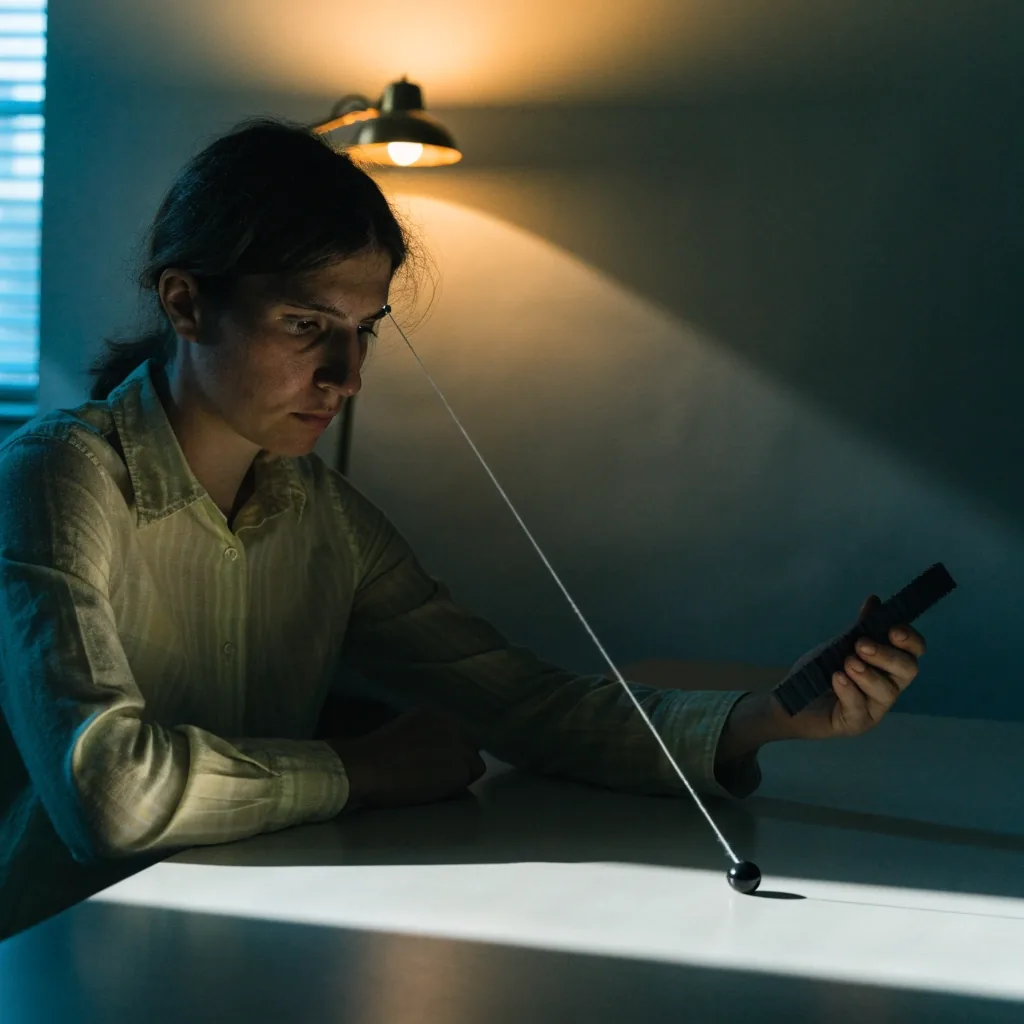
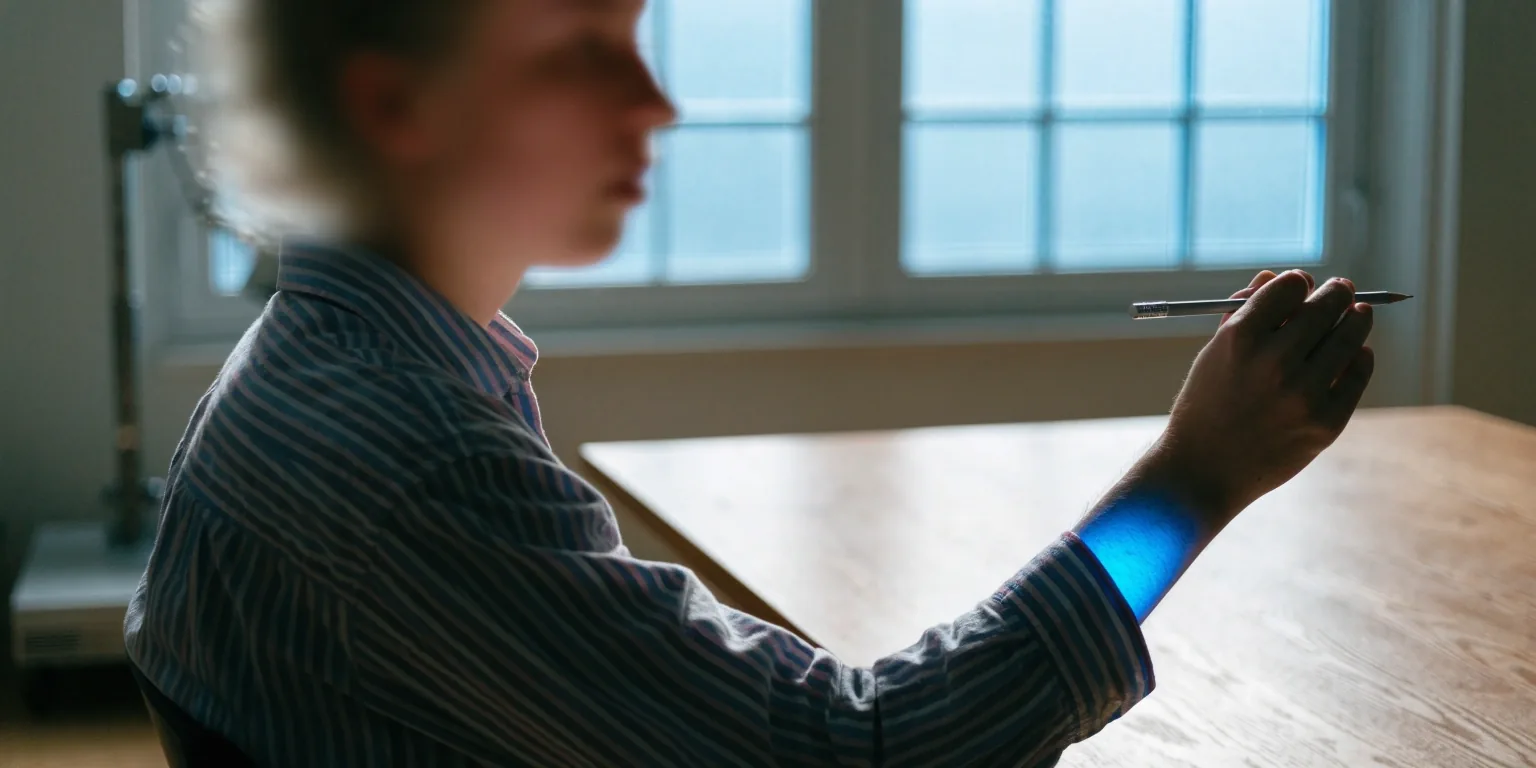
This family uses a target that moves closer to your face while you keep it single and clear. The classic version is a pencil held at arm's length, brought slowly toward the nose. What it trains is convergence, the inward turning your eyes do for close work.
It is the most discussed method on this site, partly because convergence insufficiency is a recognized functional issue and partly because home guides have made the drill famous. It is also the method most likely to be over-applied. Sessions are short for a reason: the muscles involved fatigue quickly, and a drill done past the point of comfort teaches nothing useful. If the target splits into two and will not come back together with a small effort, that is your stopping point, not a challenge to push through.
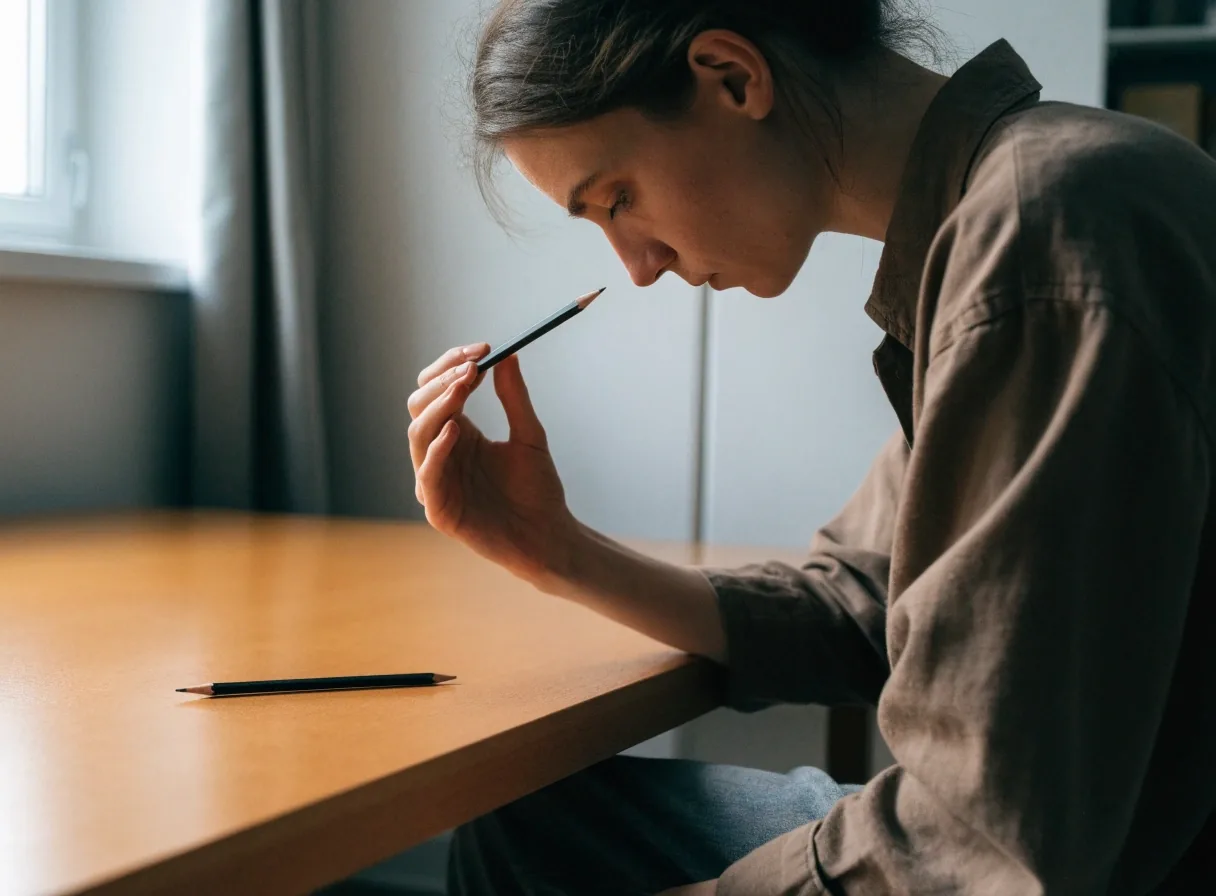
A double image that will not merge on a small effort is the session's end, not a wall to break through.
Tracking skills: smooth pursuit and saccades
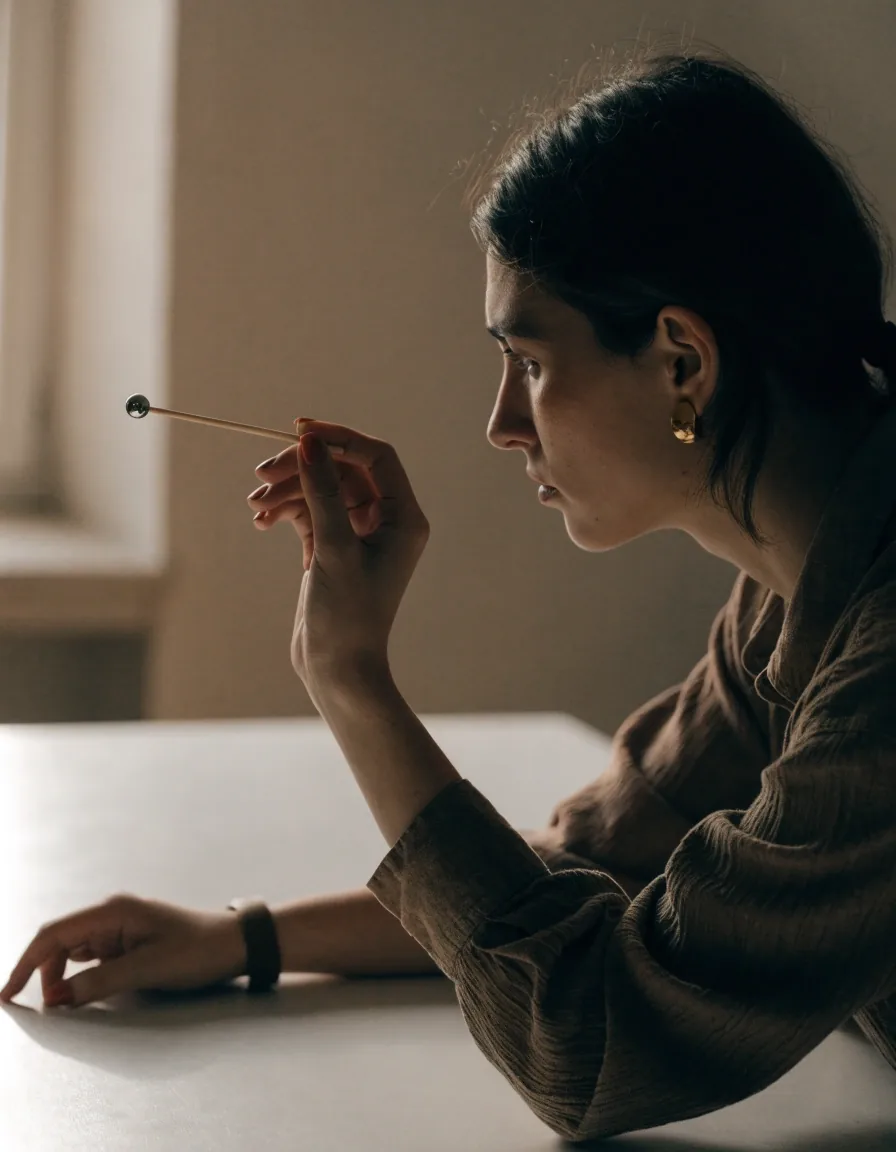
Smooth pursuit is your ability to keep a moving object in focus rather than letting your gaze lag or skip. Saccades are the fast jumps your eyes make between fixed points, like reading a line of text or checking a mirror. Both show up in vision-training discussions and in sports-vision skill sets, and both can be practiced with nothing more than a pen and a steady hand.
The reason to separate them from rest habits is that they are skills. You get better at them by doing them, briefly and often. A two-minute tracking practice three or four times a week is more useful than a twenty-minute session once a month.
If tracking work matters to your sport or your game, it belongs after the rest habits and the attention work — not alongside a convergence drill you are still learning.
Restoration habits: distance gazing and blink breaks
These are the least glamorous methods and probably the most valuable for screen workers. Neither requires equipment, tracking, or a training plan — which is exactly why we suggest starting here.
Learn the screen fatigue routineShifting focus to something genuinely far away — a window, a corridor, a long room — releases the close focus your eyes have been holding.
Screen work reduces how often and how completely you blink, and the tear film suffers for it. A deliberate, complete blink every few minutes is a small action that shows up by evening.
Attention practice: fixation, mindfulness, distraction suppression
This category trains the ability to hold visual attention rather than the mechanics of the eye. Fixation intervals ask you to rest your gaze on a single point for a defined stretch, usually a minute or two, and notice when your attention wanders. Mindfulness-based practice works on the same sustained-attention muscle, often without any visual target at all.
Distraction suppression is the performance version. It is about maintaining focus while other things compete for it, and it appears in attention research on athletes as a way to improve control in noisy or competitive settings. It will not fix dry eyes. For a student in a crowded library or a worker in an open-plan office, it can be the difference between a real study block and an hour of interruptions.
When a method belongs in professional hands
Two entries on the list are not self-directed. Occupational-therapy vision drills and convergence-insufficiency therapy are usually individualized after an assessment, because the point is to work on the specific function that came up short. That is also their strength: a plan built around your actual deficits rather than a general routine.
If a few weeks of careful, short home practice do not change anything, or if your symptoms include persistent double vision or headaches after brief reading, the next step is an eye exam, not a different drill.
No method on this page is a substitute for that. A clinician can tell what is actually happening — a convergence issue, a focusing problem, a tear-film problem, or something that has nothing to do with visual focus at all.
Ask a questionHow to sequence methods without overload
One method at a time, for two to three weeks, before adding another. That is the sequence we suggest, and it has nothing to do with discipline. It is about attribution. If you start four drills at once and feel better, you have no idea which one helped, and no idea which one to keep when your schedule tightens.
Distance gazing and blink breaks
Run them until they are automatic. They cost seconds, need no equipment, and answer the most common screen-day complaint before you add anything else to your plate.
One attention method
Fixation intervals or a short mindfulness practice, because sustained attention supports every other kind of work you are doing at a desk.
A convergence drill
Only for a specific near-focus complaint, and ideally with professional input. Keep the sessions short and stop when the target will not stay single.
Tracking work
Add smooth pursuit or saccade practice only if a sport, a game, or your driving demands it. Otherwise the earlier habits cover what most screen-heavy days need.
Questions people ask before they start
Can I do more than one method at the same time?
You can, but then you will not know what worked. Distance gazing and blink breaks are the exception — they are habits, not a training block, and they can sit under any other method without confusing the picture.
How do I know if a convergence drill is the right one for me?
The usual sign is that close reading or close screen work is where things go wrong — print blurs, focus drifts, or the words seem to double. Dryness with no near-task complaint points at the restoration habits instead. If you are not sure, describe the symptoms to a professional rather than guessing from a list.
Do attention drills help eye comfort?
Not directly. They train the ability to hold attention on one thing while the room works against you. If your complaint is burning or tired eyes, the restoration methods on this page are the ones that address it.
How long before I should expect to notice anything?
Give any single method two or three weeks of short, consistent practice before you judge it. If nothing has changed by then, either the method does not match your complaint or the complaint needs an assessment. Switching drills more often than that usually just resets the clock.
More questions are answered on the Frequently Asked Questions page, and the About Visionary Dreams Lab page explains how the material here is put together.
Pick one method, run it for three weeks, then decide
Start with the restoration habits if you are not sure where you belong. If a near-focus complaint is your reason for being here, read the pencil pushups guide first and keep the sessions short. And if you would rather ask before you try anything, write to us — the lab answers questions about method choice and sequencing, not about your specific diagnosis.